Tropical season starts today, June 1
Hurricane season has started and here is what we can expect for this season.
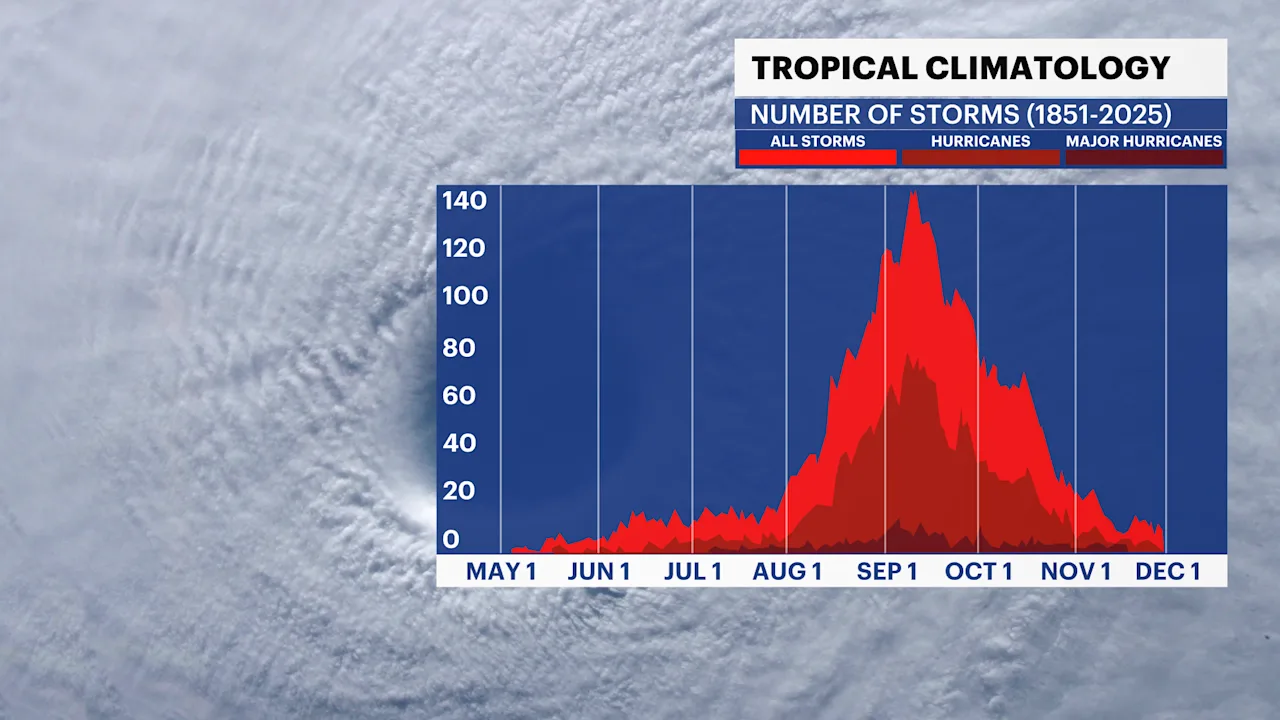
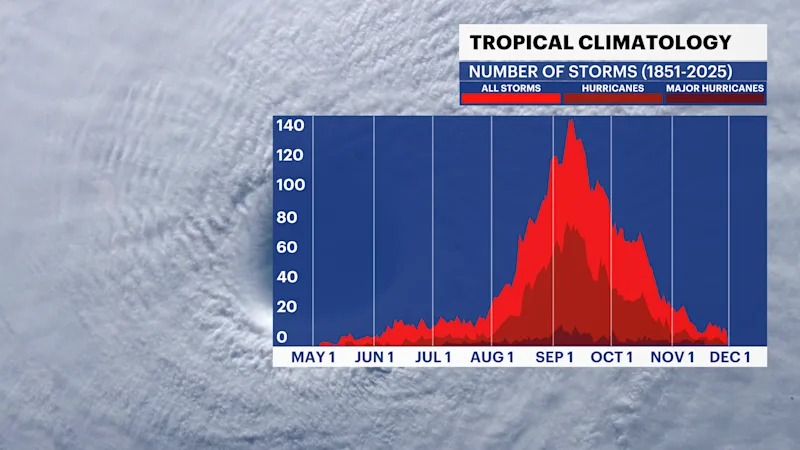
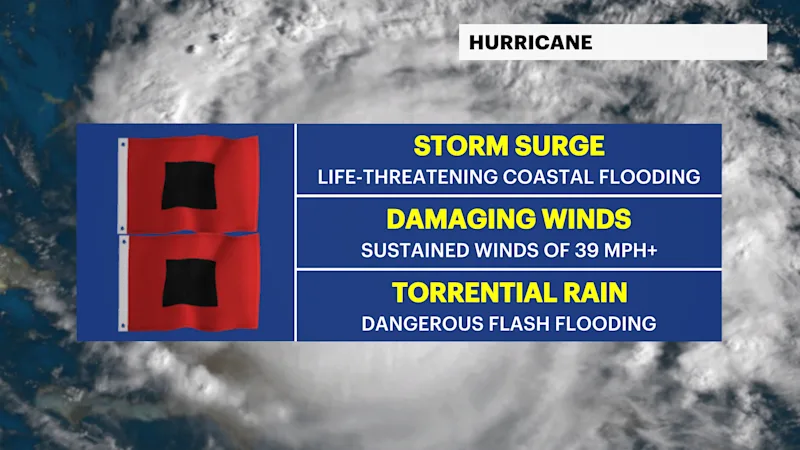
June 1 marks the start of the Atlantic hurricane season, which runs through November 30. No matter what the forecast calls for, it's important to be prepared for the next big storm. Long Island's last direct hurricane strike was from Hurricane Gloria in 1985, but since then we've still experienced impacts from several tropical storms and hurricanes that passed nearby. Those storms brought damaging winds, flooding rain, coastal erosion, and power outages. So, what can we expect this year, and how might the overall summer weather pattern influence hurricane activity?
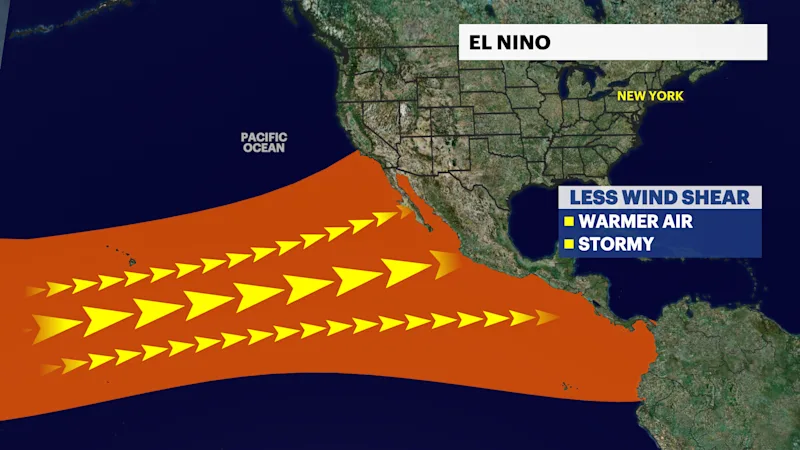
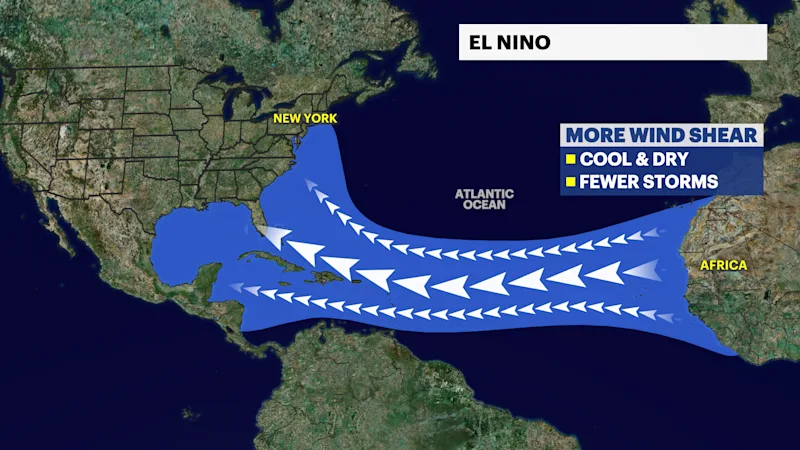
The trend this year is for a strong, and possibly even a "Super," El Niño to develop across the Pacific Ocean. El Niño refers to a significant warming of ocean waters in the eastern and central Pacific near the west coast of South America.
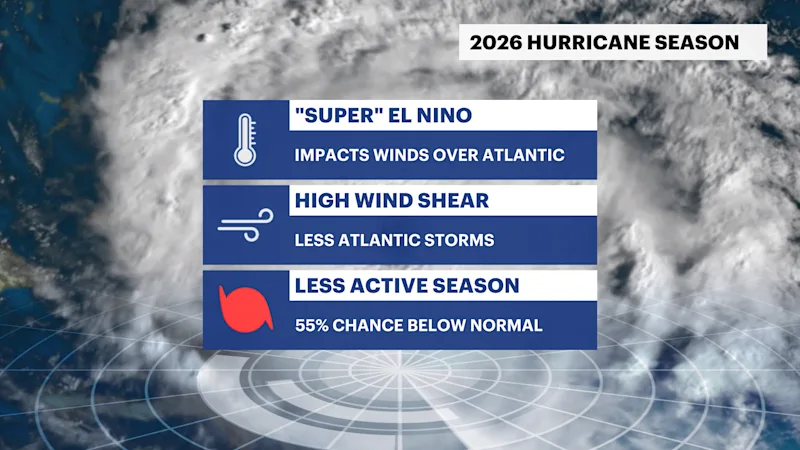
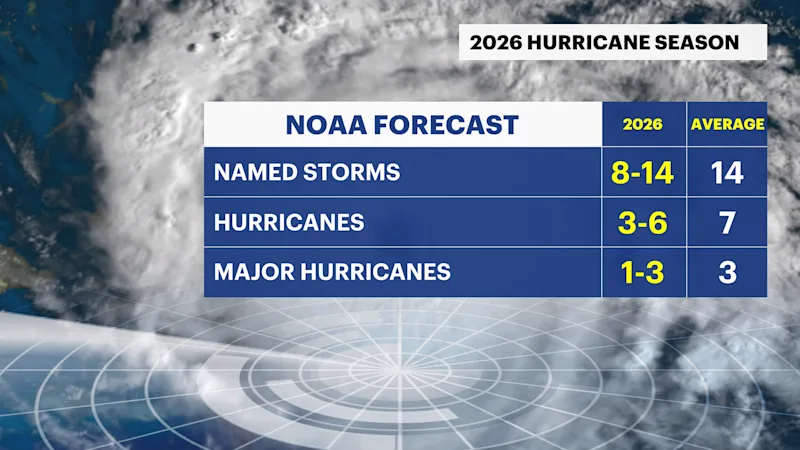
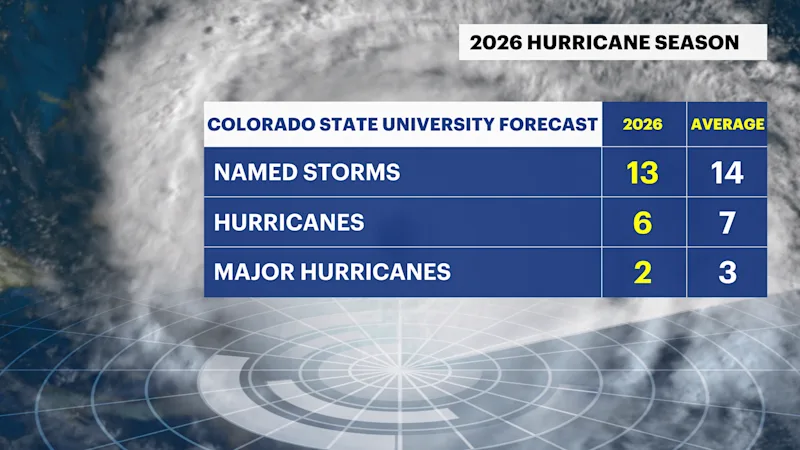
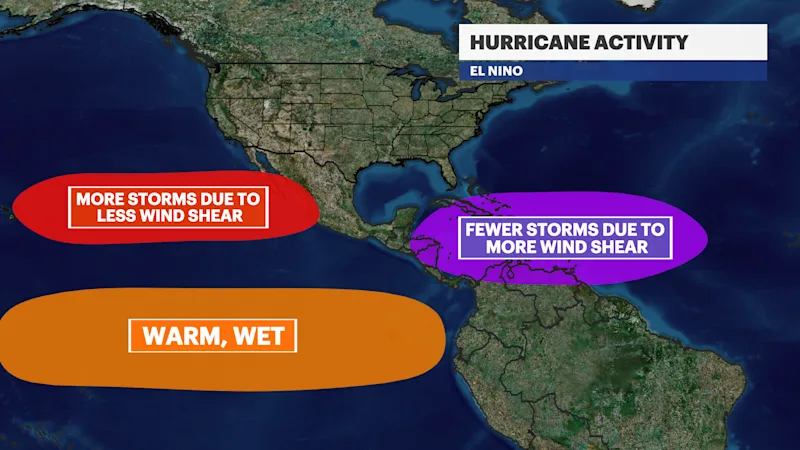
When a strong or super El Niño develops, it typically has a major impact on hurricane activity in the Atlantic Basin. El Niño tends to increase upper-level winds across the Caribbean Sea and tropical Atlantic, creating stronger wind shear. Wind shear acts like a storm disruptor, making it more difficult for tropical systems to organize and strengthen into hurricanes. As a result, Atlantic hurricane seasons during strong El Niño years are often less active than average, with fewer named storms, hurricanes, and major hurricanes.
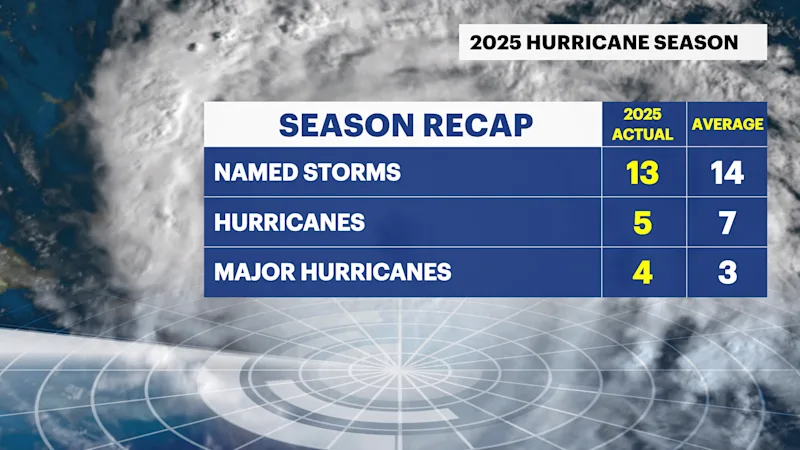
However, a below-average season does not mean there is no threat. It only takes one storm to make a season memorable and devastating. History has shown that even during quiet hurricane seasons, a single landfalling hurricane can cause catastrophic damage. Forecasters will also be closely monitoring sea surface temperatures across the Atlantic, as unusually warm waters can sometimes offset some of El Niño's suppressing effects. While a strong El Niño generally favors a quieter Atlantic hurricane season, residents along the coast should remain prepared. It only takes one storm affecting Long Island to make this a season we will never forget.