Calves, cold and the science behind the debate at a Goshen dairy farm
Viewer photos, animal activist concerns and viral reaction prompt a deeper look at calf care, science and New York agriculture laws.
More Stories





A Goshen dairy farm is again at the center of a heated discussion over animal care after a neighbor and viewer contacted News 12 and authorities, raising concerns about young calves housed outside during a recent winter storm and periods of extreme cold.
The viewer, who lives near the farm, told News 12 they became alarmed after seeing and photographing calves kept in individual plastic hutches during single-digit temperatures and strong winds. Those images were shared with News 12 and prompted calls to state police and animal welfare officials.
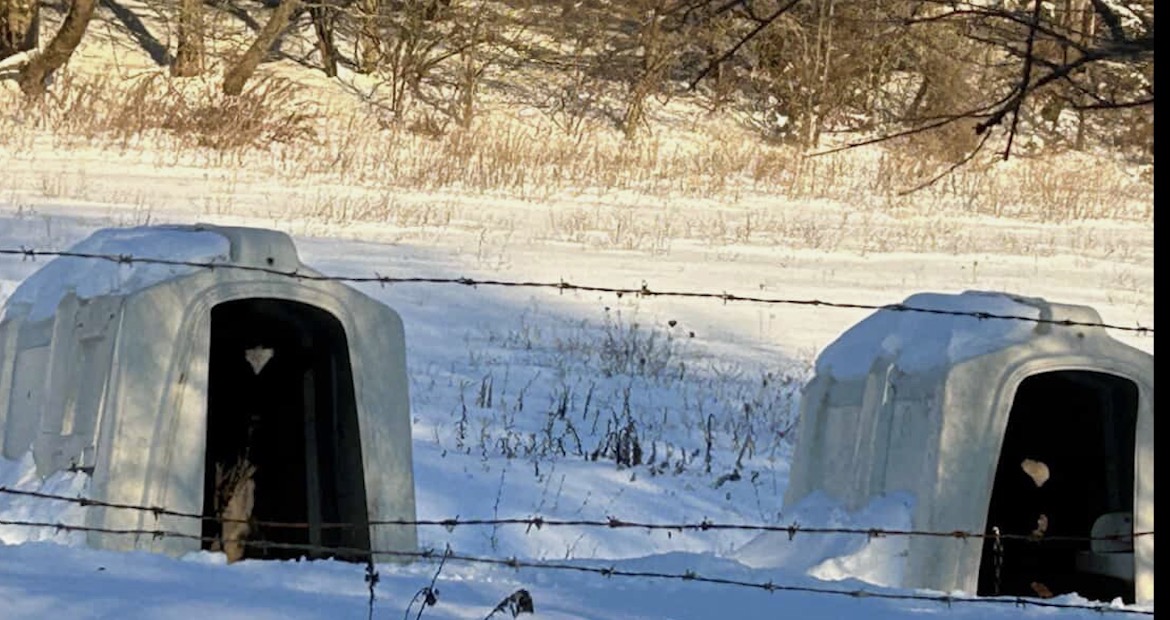
But the images — and the conditions under which they were taken — sparked widespread reaction once News 12 aired its exclusive report last week, leading to hundreds of comments, many of them critical of the reporting, as well as renewed scrutiny over whether current agriculture standards adequately protect animals during extreme weather.
That response prompted News 12 to take a closer look at the science behind calf care, industry best practices, and the concerns raised by animal advocates who argue legality does not always equate to humane treatment.
According to Cornell Cooperative Extension Orange County, the farm is operating within industry best practices designed to protect calf health.
“The recommendation is exactly what it is — a hutch,” said Maire Ullrich, agriculture program leader with Cornell Cooperative Extension Orange County. “They are not supposed to be touching one another because they will spread disease.”
Ullrich said individual housing is intended to reduce illness in young calves, particularly respiratory infections, which are a leading cause of sickness and death in dairy operations.
“Putting them inside a building is actually not recommended,” Ullrich said. “Humidity rises enough that it can cause respiratory problems and they’re much more likely to get pneumonia.”
She also emphasized that calves have a different physiology than humans and even other animals.
“We cannot apply human physiology to dairy cow physiology,” Ullrich said. “Ruminants generate heat through fermentation in their stomachs. These animals are bred for colder climates — they don’t like it warm.”
Research from colleges of veterinary medicine and land-grant universities supports parts of that explanation while also acknowledging potential risks.
According to the University of Minnesota Extension, calves begin experiencing cold stress at temperatures well above freezing. Prolonged exposure to cold increases their energy needs and can impact immune function if not properly managed. The university notes those risks can be mitigated through dry bedding, wind protection, increased feed, and calf jackets.
The University of Wisconsin–Madison Extension similarly reports that cold stress can affect calf welfare but says outdoor housing systems can be successful when calves are kept dry, protected from wind, provided adequate nutrition, and closely monitored.
Animal advocates argue the issue goes beyond temperature and legal compliance.
“Cows are highly social animals,” said Amber Canavan, associate director of vegan campaigns with PETA. “Just because an animal can survive does not make it humane.”
Canavan said PETA’s concerns focus on standard dairy industry practices, including separating calves from their mothers shortly after birth and keeping them isolated, often tethered at the neck.
“This starts at birth,” Canavan said. “Calves are taken from their mothers, kept alone, and restrained. That isolation is stressful before you even factor in the cold.”
Research indexed by the U.S. National Library of Medicine has documented behavioral stress responses in both cows and calves following early separation, including vocalization and changes in activity levels.
PETA points to sanctuary-based care as an alternative, where calves are kept with their mothers, housed in barns during cold weather, and allowed to socialize in herds.
Ullrich acknowledged those concerns but said agriculture standards are designed around animal health, disease prevention, and food production.
“Everyone has the right to feel how they want about animal rights,” Ullrich said. “But the reality is most people drink milk and eat cheese, and that food has to come from somewhere.”
Cornell Cooperative Extension maintains that what the current law requires — including hutches, blankets, and additional nutrition — is intended to protect calf health, but the differences in perspective between the farming industry, animal rights groups and the public continue to fuel the debate about livestock care and New York's agriculture laws.
State police say their investigation into the Goshen farm found the calves were being cared for in accordance with New York State agriculture laws and that no charges were filed.