Recap: How the historic LIRR worker strike unfolded and ended
The Long Island Rail Road worker strike officially ended after three days.
More Stories


When thousands of Long Island Rail Road union workers walked off the job just after midnight on Saturday, May 16, it was unclear how long the historic strike would last as deal negotiations made no headway.
The previous railroad worker strike was 32 years ago, in June 1994 and lasted for two days.
A tentative deal was reached Monday after the Metropolitan Transportation Authority and the Brotherhood of Locomotive Engineers and Trainmen spent days publicly sparring at press conferences before returning to the bargaining table around 3 p.m. and reaching an agreement that night.
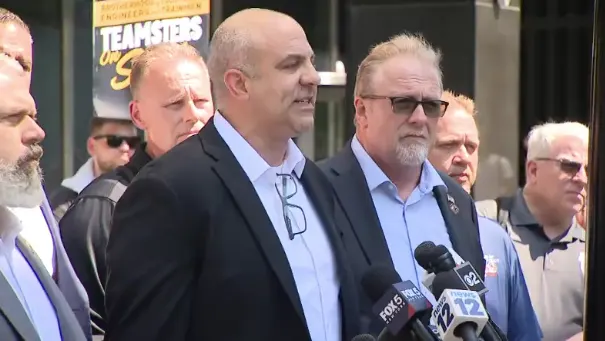
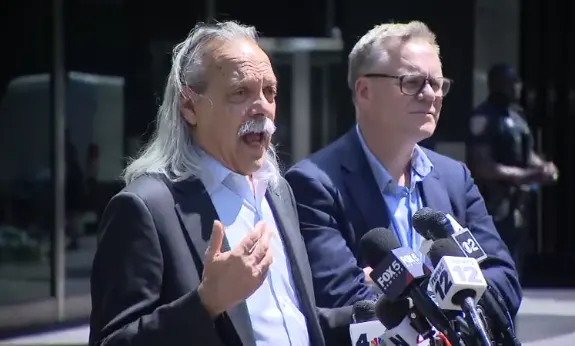
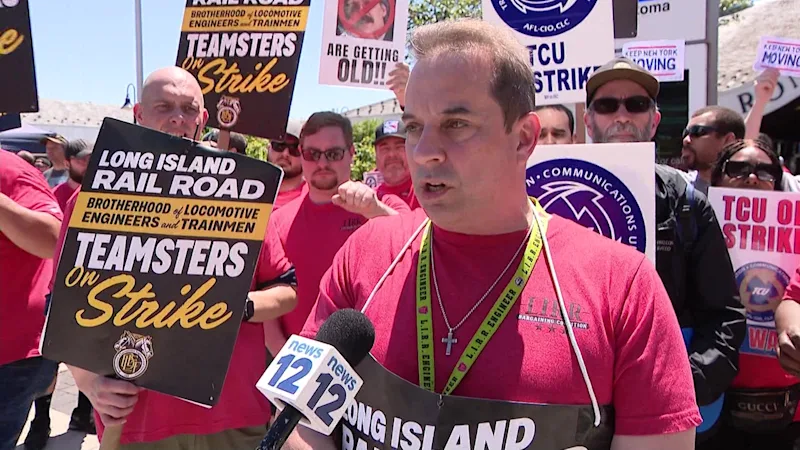
Picket lines formed outside train stations across Long Island, where union members voiced their demands near commuters forced to rely on shuttle buses to get to their destinations. Riders faced increasingly long and unpredictable travel times commuting to and from the city, disrupting the daily routines of hundreds of thousands of people.
At the center of the dispute was pay, and work rule concessions fell to the wayside as a major sticking point. Five unions, representing more than half of the LIRR’s roughly 7,000 employees, including locomotive engineers, machinists and signalmen, were involved in the strike.
Workers previously said they were also fighting for fair wages after going three years without a raise.
While on the picket lines, workers acknowledged the hardship caused to commuters, saying they regretted that negotiations reached that point. Union members said they felt they were not adequately taken care of after continuing to work through COVID, when they say they were promised better treatment in future contract talks.
The specific terms of the tentative agreement have not yet been released, though the deal is expected to include wage increases. Members of the five unions will vote in the coming days on whether to ratify the agreement.
LIRR President Rob Free said Monday that management understood the need to reach an agreement that union members would approve, while also balancing the cost to taxpayers.
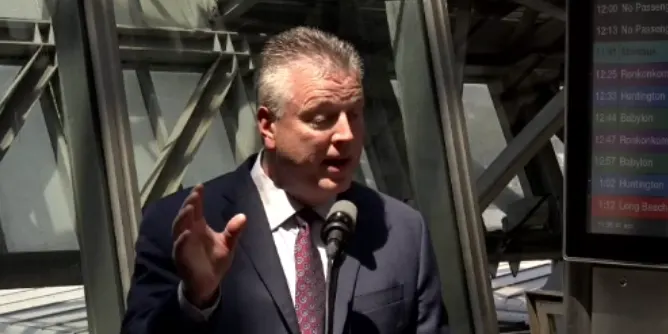
Commuters endured a second difficult morning of shuttle bus service on Monday as the trains required mandatory inspections ahead of the limited train service at noon, but service is expected to resume in time for the evening rush and the New York Knicks game at Madison Square Garden.
The negotiations stoked the flame between current Gov. Kathy Hochul and gubernatorial candidate and Nassau County Executive Bruce Blakeman. Blakeman called for an end to congestion pricing during the strike on Sunday, while Hochul said there was no legal mechanism to achieve that.
Pre-strike contingency plan released, commuters asked to plan ahead
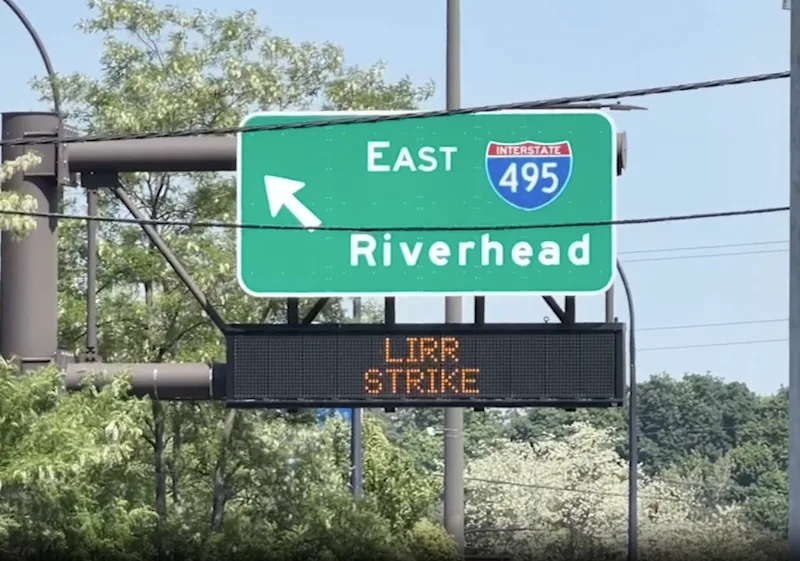
The MTA released a contingency plan, including alternative transportation options and urged those able to work from home to do so.
Day 1: Strike begins, workers walk off the job
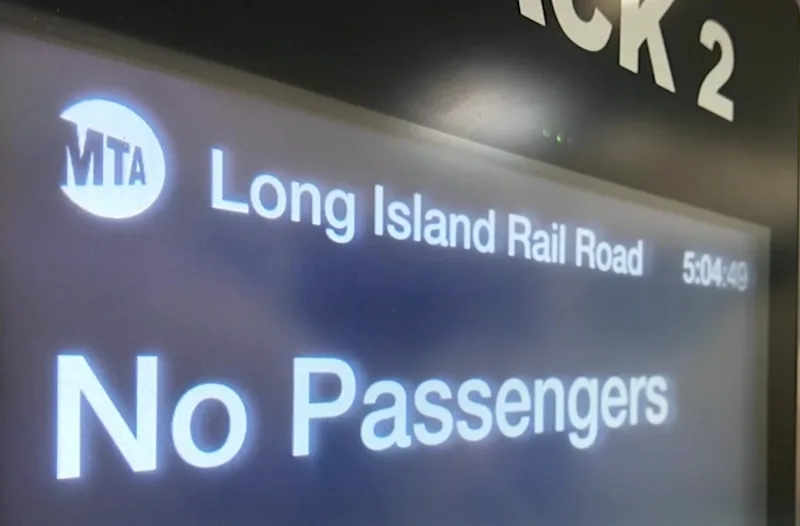
Just after midnight on Saturday, workers walked off the job, bringing Long Island Rail Road service to a halt. Shuttle buses were provided by the MTA as part of their contingency plan.
Union leaders said they were seeking a retroactive 9.5% wage increase for the previous three years. However, negotiations stalled over pay for the current year.
Union representatives pushed for a 5% raise starting this year, citing inflation and the rising cost of living in the tri-state area.
Day 2: Stalled negotiation progress and federal intervention
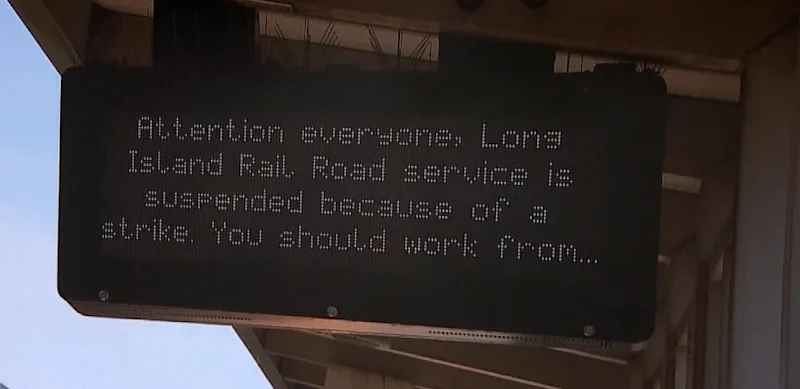
Service suspension continued into Sunday as union members remained on the picket lines.
Negotiations showed signs of progress at points but ultimately broke down again. Gov. Kathy Hochul stepped in, extending a formal invitation for both sides to return to the bargaining table.
The National Mediation Board and a presidential emergency board summoned LIRR union leaders and MTA officials to meet at MTA headquarters in an effort to move talks forward.
Day 3: Mounting tension and deal breakthrough
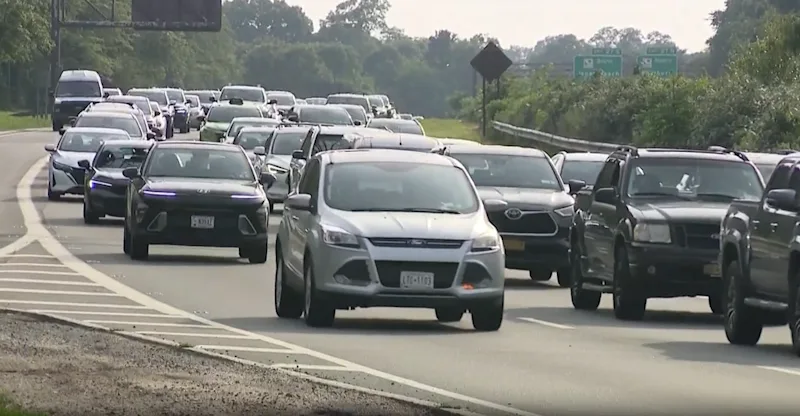
Monday, the first full workday of the strike, brought significant traffic congestion and frustration for commuters. Overnight negotiations ended around 1:30 a.m. without an agreement, prolonging the disruption.
Later that day, MTA officials and union leaders publicly traded criticism before returning to the negotiating table around 3 p.m. Both sides addressed the media beforehand, striking a contentious tone and offering little indication that a deal was imminent.
The switch flipped when a deal was reached Monday night. Gov. Kathy Hochul, MTA chairman and CEO Janno Lieber and LIRR President Rob Free announced that LIRR service will resume Tuesday.
Details of the deal remain limited, but it does not include a fare increase on top of the 4% raise next year.
Full steam ahead, transition into normalcy
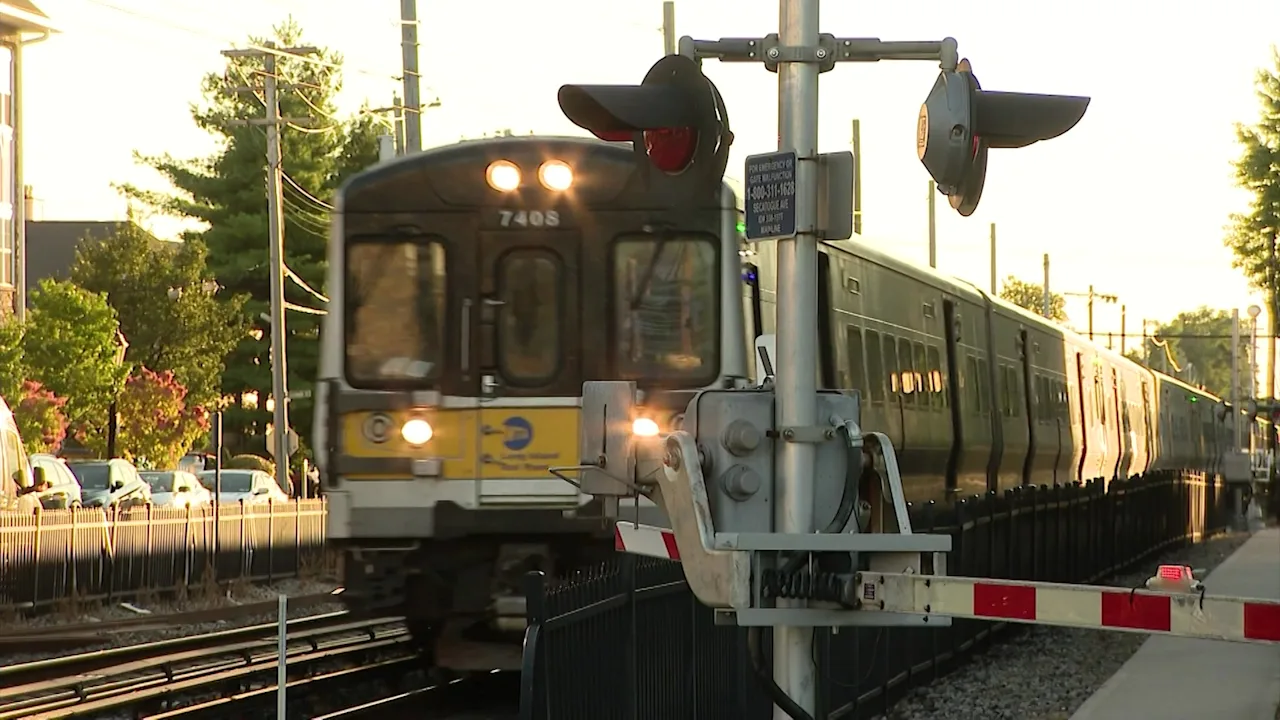
On Tuesday, commuters had a second morning of complicated travel, but at noon, trains resumed with limited service - with an expectation that trains would be restored in time for afternoon peak service.
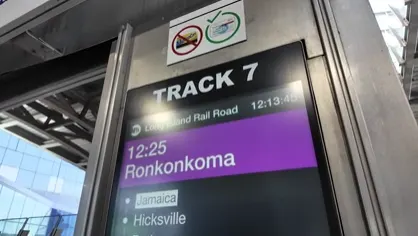
"This is the train to Ronkonkoma"
The first train to leave Penn Station during limited service was bound for Ronkonkoma at 12:03 p.m.