When is it safe to plant? Last freeze dates & growing season guide
The average last freeze of the season is almost here, but you're making a mistake if you use this guideline. Here's what you really need to know.
More Stories


It’s hard to believe with how cool spring has been so far, but the growing season is almost here. The "growing season" officially starts when morning temperatures no longer drop below 32 degrees. Some gardeners think it's safe to plant warm-weather plants as soon as they reach their average last freeze, but that means you'd be planting tomatoes by mid-April, and that would be setting yourself up for failure!
Looking for more planting tips? Follow Alex on Instagram and Facebook and check out the Garden Guide section of our website.
When is the average first freeze?
The average first freeze is as early as March 31 for Central Park. The "urban heat island" effect keeps temperatures in our most densely populated areas a few degrees warmer than the suburbs. The average last freeze dates for the Hudson Valley, interior parts of New Jersey, Long Island, and Connecticut fall closer to mid-April.
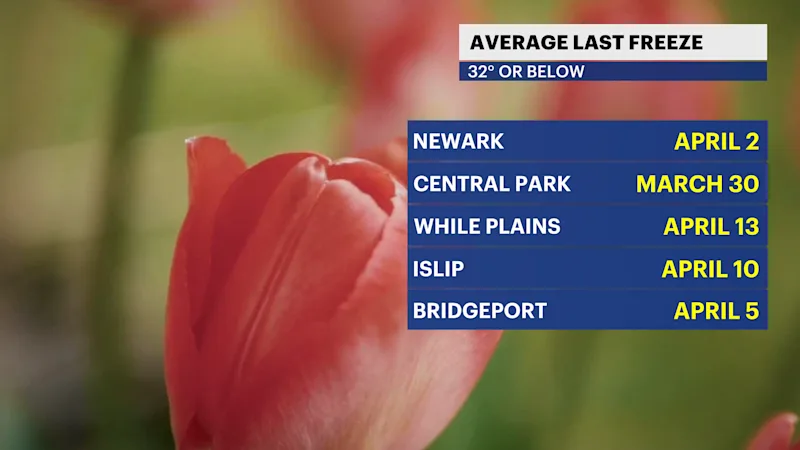
However, this is just the average last freeze of the season over the past 30 years, which means there are plenty of times the last freeze of the season has occurred after this date.
How late can freezing temperatures occur?
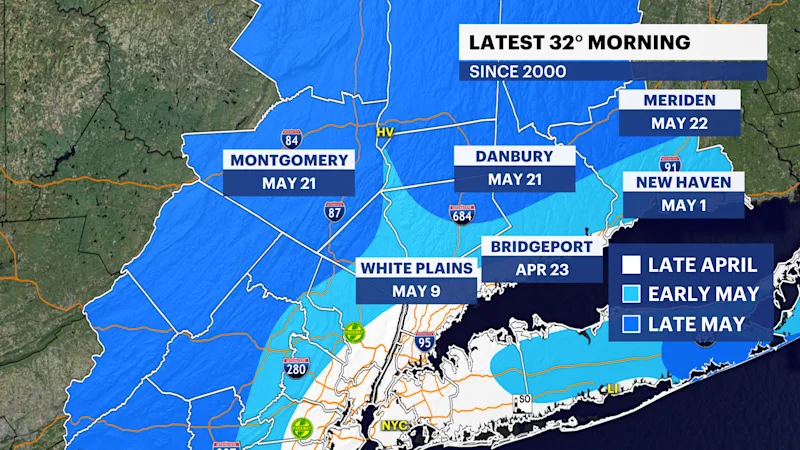
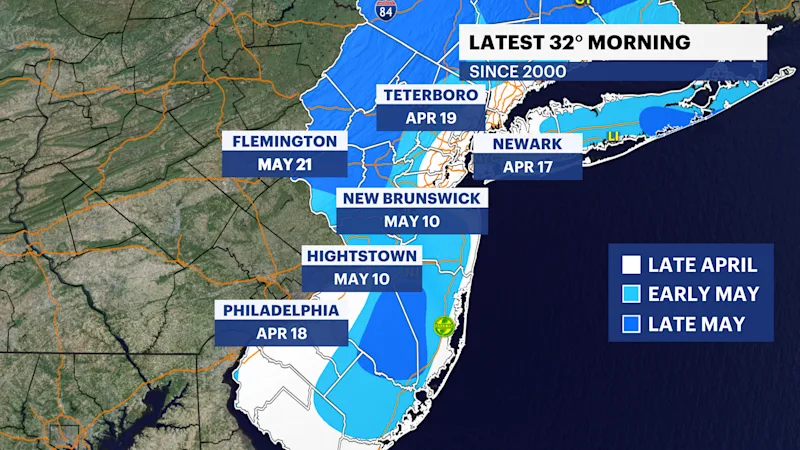
Looking at the latest freezes gives a much better impression on the safe planting date, so I did a deep dive for you! I took a look at the past 26 years (since 2000) at more than a dozen different official weather stations across the tri-state to find out the latest dates freezing temperatures have been reported.
The city has not seen a freeze in late April, which means the growing season has always started on or before April 16 or 17 for most of our urban neighborhoods in New Jersey and New York. Most of the tristate area has seen a freeze occur into the first week of May in the past 26 years which is why you'll often hear the guideline from experienced gardeners to "wait until Mother's Day Weekend to plant".
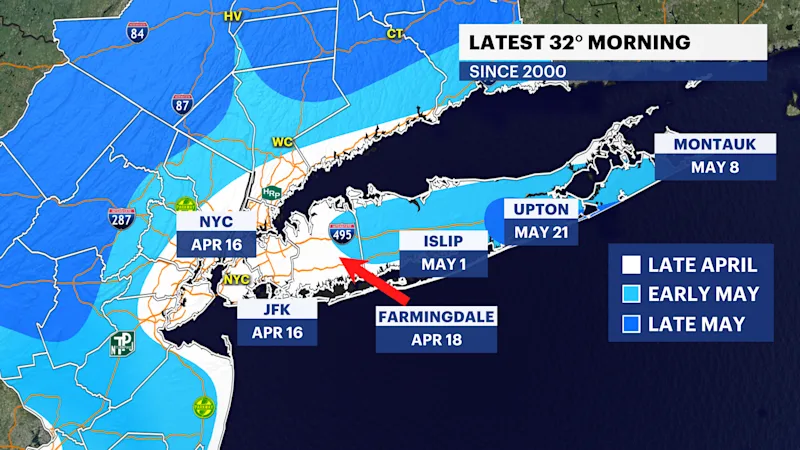
However, there are some spots like the pine barrens in New Jersey and Long Island and high elevations that have seen freezes into mid-May. In those areas, a cold 10-day forecast on Mother's Day weekend would be too risky to plant.
Frost can happen without a freeze
Frost gets a bad reputation for damaging plants, but the frost itself is actually just a symptom of a problem. Air temperatures can be above freezing, but on a calm clear morning, surfaces like your windshield, grass and your seedlings cool down faster and could be below freezing. Frost shows up when there's enough moisture for it to develop, but cold damage will occur on sensitive plants anytime temperatures drop below freezing whether there's frost or not.
When is it safe to plant summer flowers?
There are many cool season flowers and veggies that can go in the ground right now like pansies, lettuce, kale, and most herbs (except for basil!). For frost-sensitive flowers, it's typically safe to plant in mid- to late April in our warmest urban neighborhoods. In the suburbs, it's best to wait until Mother's Day and in our coldest spots, it wouldn't hurt to hesitate until after Mother's Day if the forecast calls for colder than usual weather.
Some frost-sensitive plants like begonias, geraniums, and petunias don't mind cooler weather. They can handle nights in the 40s occasionally, but warm-loving fruits like tomatoes need a combination of above freezing temperatures and warm soil to grow strong. It's best to wait until nighttime temperatures are generally above 50°F before planting those.
Happy Gardening!